High-Volume Press Part Production: Our Expertise Explained

In today's fast-paced manufacturing landscape, high-volume press part production stands as a cornerstone of efficiency and precision. As industries strive to meet increasing demands, understanding the intricacies of this process becomes essential. This blog post delves into our expertise in high-volume press part production, exploring the methods, technologies, and benefits that define our approach.
Understanding High-Volume Press Part Production
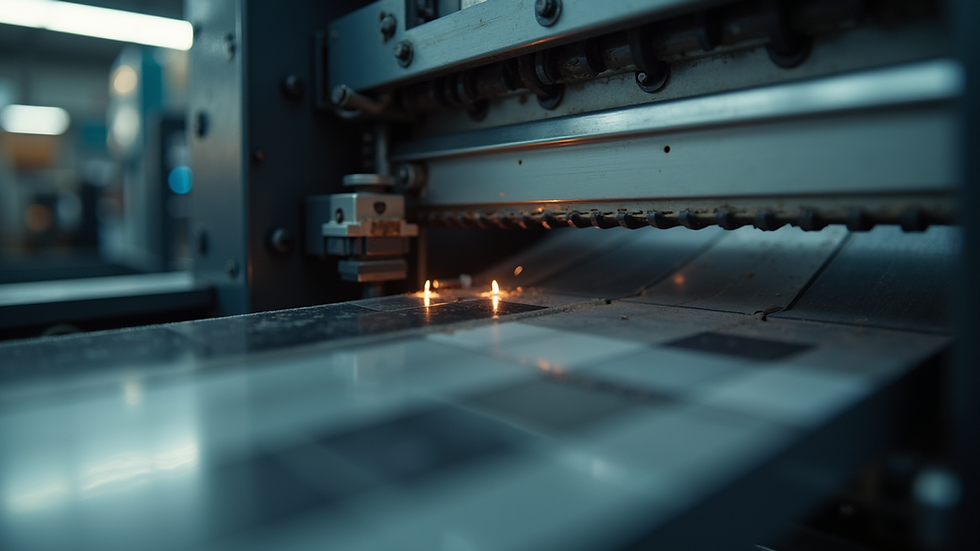
High-volume press part production involves the use of specialized machinery to create parts in large quantities. This method is particularly prevalent in industries such as automotive, aerospace, and consumer goods, where the demand for precision-engineered components is high.
Key Components of High-Volume Press Part Production
Press Machines: These machines apply force to metal sheets, shaping them into desired forms. Different types of presses, such as mechanical and hydraulic, are used depending on the material and complexity of the part.
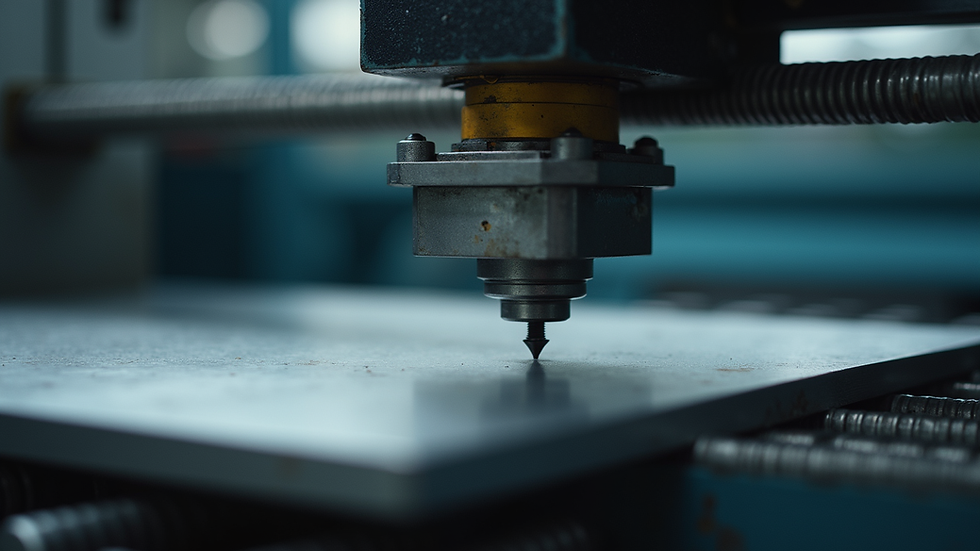
Tooling: Tooling refers to the molds and dies used in the press process. High-quality tooling is crucial for achieving consistent results and minimizing waste.
Materials: Common materials used in high-volume production include steel, aluminum, and various alloys. The choice of material affects the part's strength, weight, and cost.
Automation: Automation plays a significant role in enhancing efficiency. Automated systems can handle material loading, part removal, and quality inspection, reducing labor costs and increasing throughput.
The Process of High-Volume Press Part Production
The production process can be broken down into several key stages:
1. Design and Prototyping
Before production begins, engineers create detailed designs and prototypes of the parts. This stage involves:
CAD Modeling: Using computer-aided design (CAD) software to create precise models.
Prototyping: Developing prototypes to test the design's functionality and manufacturability.
2. Tooling Development
Once the design is finalized, tooling is developed. This includes:
Die Design: Creating dies that will shape the metal during pressing.
Tooling Fabrication: Manufacturing the dies using high-precision machining techniques.
3. Production Setup
With tooling in place, the production setup begins. This involves:
Machine Calibration: Ensuring that the press machines are calibrated for optimal performance.
Material Preparation: Preparing the raw materials for the pressing process.
4. Pressing
The actual pressing process involves:
Feeding Material: Loading metal sheets into the press.
Pressing: Applying force to shape the material into the desired part.
Cooling and Finishing: Allowing parts to cool and applying any necessary finishing processes.
5. Quality Control
Quality control is essential to ensure that each part meets specifications. This includes:
Dimensional Inspection: Measuring parts to ensure they meet design tolerances.
Material Testing: Conducting tests to verify the material properties.
Benefits of High-Volume Press Part Production
High-volume press part production offers numerous advantages, making it a preferred choice for many manufacturers:
Cost Efficiency
Producing parts in large quantities significantly reduces the cost per unit. This is achieved through economies of scale, where fixed costs are spread over a larger number of parts.
Consistency and Quality
The use of advanced machinery and automated processes ensures that each part is produced with high precision. This consistency is crucial for industries where even minor variations can lead to significant issues.
Speed
High-volume production methods enable manufacturers to meet tight deadlines. The ability to produce large quantities quickly is a competitive advantage in today's market.
Flexibility
Modern press machines can be adapted to produce a variety of parts. This flexibility allows manufacturers to respond quickly to changing market demands.
Case Studies: Successful High-Volume Press Part Production
Automotive Industry
In the automotive sector, high-volume press part production is essential for creating components such as body panels and brackets. For example, a leading automotive manufacturer implemented a high-volume press system that increased production speed by 30%. This allowed them to meet rising demand without compromising quality.
Aerospace Sector
The aerospace industry requires parts that meet stringent safety standards. A notable case involved a company that produced high-volume press parts for aircraft components. By investing in advanced tooling and automation, they reduced production time by 25% while maintaining compliance with industry regulations.
Challenges in High-Volume Press Part Production
While high-volume press part production offers many benefits, it also presents challenges that manufacturers must navigate:
Tooling Costs
The initial investment in tooling can be significant. However, this cost is often offset by the long-term savings achieved through efficient production.
Material Waste
Inefficient processes can lead to material waste, impacting overall production costs. Implementing lean manufacturing principles can help minimize waste.
Maintenance and Downtime
Press machines require regular maintenance to operate efficiently. Downtime for repairs can disrupt production schedules, making proactive maintenance essential.
Future Trends in High-Volume Press Part Production
As technology continues to evolve, several trends are shaping the future of high-volume press part production:
Industry 4.0
The integration of smart technologies, such as IoT and AI, is transforming manufacturing. These technologies enable real-time monitoring and predictive maintenance, enhancing efficiency and reducing downtime.
Sustainable Practices
With increasing emphasis on sustainability, manufacturers are exploring eco-friendly materials and processes. This includes recycling scrap metal and reducing energy consumption during production.
Advanced Materials
The development of new materials, such as lightweight composites, is expanding the possibilities for high-volume press part production. These materials offer enhanced performance while reducing weight.
Conclusion
High-volume press part production is a critical component of modern manufacturing, offering efficiency, consistency, and cost savings. By understanding the processes, benefits, and challenges involved, manufacturers can leverage this expertise to enhance their production capabilities. As technology continues to advance, staying informed about industry trends will be essential for maintaining a competitive edge.
For manufacturers looking to optimize their production processes, investing in high-volume press part production is a strategic move that can yield significant returns. Embrace the future of manufacturing and explore how high-volume press part production can elevate your operations.
Comments