Precision Sheet Metal Stamping for Automotive Applications

In the automotive industry, precision is not just a goal; it is a necessity. As vehicles become more complex and technologically advanced, the demand for high-quality components has surged. One of the key manufacturing processes that meet these demands is precision sheet metal stamping. This technique plays a crucial role in producing various automotive parts, ensuring they meet stringent quality and performance standards.
In this blog post, we will explore the intricacies of precision sheet metal stamping, its applications in the automotive sector, and the benefits it offers to manufacturers and consumers alike.
Understanding Precision Sheet Metal Stamping
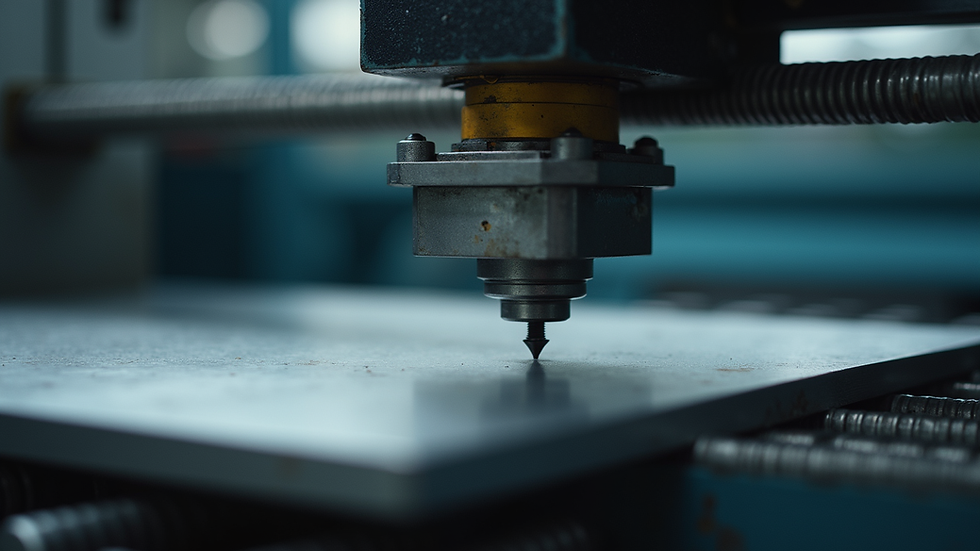
Precision sheet metal stamping is a manufacturing process that involves shaping and cutting metal sheets into specific forms using a stamping press. This process can produce a wide range of components, from simple brackets to complex assemblies.
The Process of Sheet Metal Stamping
Material Selection: The first step involves choosing the right type of metal, which can include steel, aluminum, or other alloys. The choice depends on the desired properties of the final product, such as strength, weight, and corrosion resistance.
Design and Prototyping: Engineers create detailed designs and prototypes using CAD software. This stage is crucial for ensuring that the final product meets all specifications and performance requirements.
Tooling: Custom dies and molds are created based on the design. These tools are essential for shaping the metal sheets accurately during the stamping process.
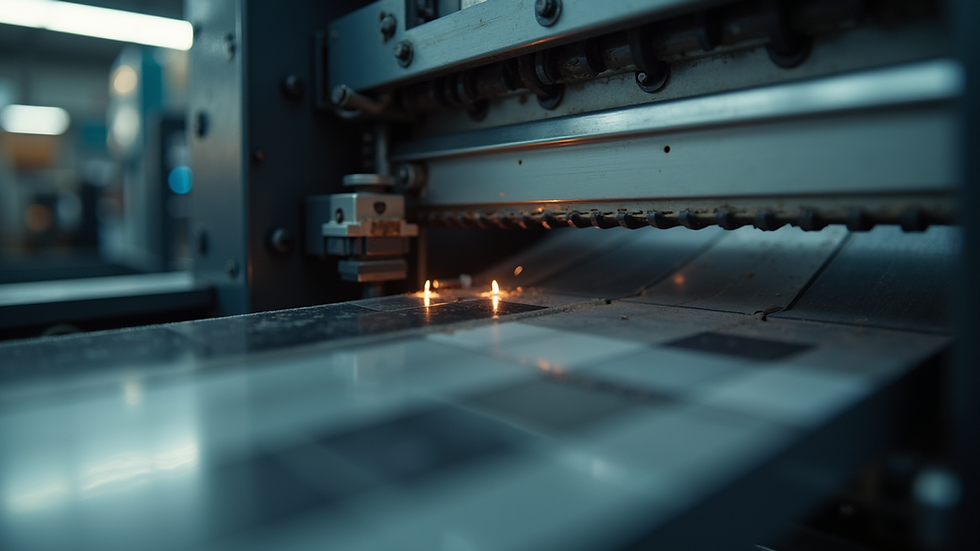
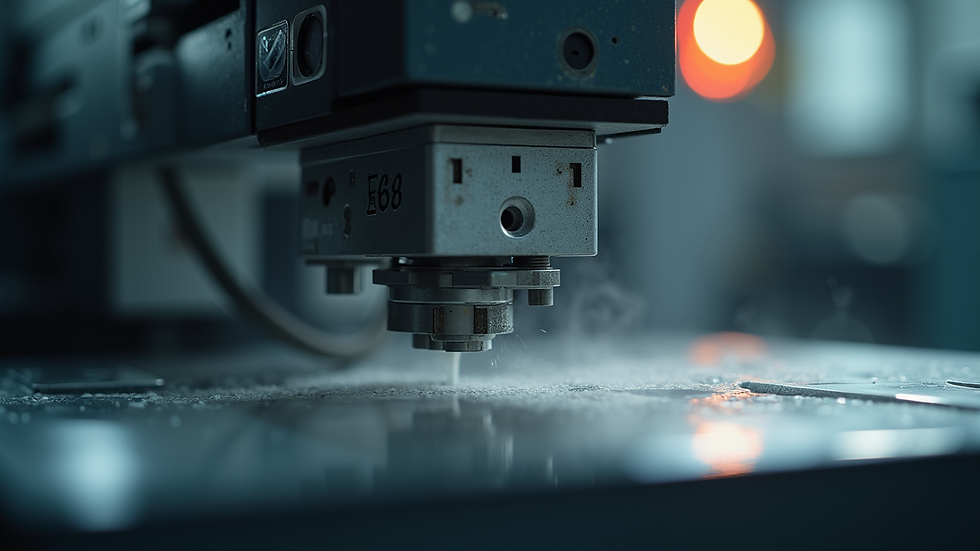
Stamping: The actual stamping process takes place in a press, where the metal sheets are fed into the machine. The press applies significant force to cut, bend, or form the metal into the desired shape.
Finishing: After stamping, components may undergo additional processes such as deburring, coating, or assembly to enhance their performance and appearance.
Key Advantages of Precision Sheet Metal Stamping
High Precision: The process allows for tight tolerances, ensuring that parts fit together perfectly in the final assembly.
Cost-Effectiveness: Once the tooling is created, mass production becomes economical, reducing the cost per unit.
Versatility: This method can produce a wide variety of shapes and sizes, making it suitable for different automotive applications.
Strength and Durability: Stamped parts often exhibit superior strength compared to those made through other manufacturing methods.
Applications in the Automotive Industry
Precision sheet metal stamping is widely used in the automotive sector for various components. Here are some notable applications:
Chassis Components
The chassis is the backbone of any vehicle, and precision-stamped parts are essential for its structural integrity. Components such as brackets, frames, and supports are often produced using this method.
Engine Parts
Engine components require high precision and durability. Parts like oil pans, covers, and brackets are commonly made through precision sheet metal stamping to ensure they can withstand the harsh conditions within an engine.
Interior Components
The interior of a vehicle is not just about aesthetics; it also requires functional components that are reliable and durable. Stamped parts such as dashboard frames, console components, and seat frames are integral to vehicle design and safety.
Electrical Components
As vehicles become more electrified, the demand for electrical components has increased. Precision stamping is used to create parts like connectors, housings, and brackets that are essential for electrical systems in modern vehicles.
The Future of Precision Sheet Metal Stamping in Automotive
As the automotive industry evolves, so does the technology behind precision sheet metal stamping. Here are some trends shaping the future of this manufacturing process:
Automation and Robotics
The integration of automation and robotics in stamping processes is on the rise. Automated systems can enhance efficiency, reduce labor costs, and improve precision. This trend is particularly beneficial for high-volume production runs.
Advanced Materials
The use of advanced materials, such as lightweight alloys and composites, is becoming more common. These materials can improve fuel efficiency and performance while maintaining the strength required for automotive applications.
Sustainability
Sustainability is a growing concern in manufacturing. Precision sheet metal stamping can contribute to greener practices by minimizing waste and energy consumption. Manufacturers are increasingly adopting eco-friendly practices to meet regulatory standards and consumer expectations.
Industry 4.0
The concept of Industry 4.0, which involves the use of IoT and data analytics, is transforming manufacturing. Precision stamping processes can benefit from real-time monitoring and data analysis, leading to improved quality control and predictive maintenance.
Challenges in Precision Sheet Metal Stamping
While precision sheet metal stamping offers numerous advantages, it is not without its challenges. Understanding these challenges is crucial for manufacturers looking to optimize their processes.
Tooling Costs
The initial investment in tooling can be significant. Custom dies and molds are expensive to produce, which can be a barrier for smaller manufacturers or those looking to enter the market.
Material Limitations
Not all materials are suitable for stamping. Some metals may not have the necessary properties to withstand the stamping process, leading to defects or failures in the final product.
Complexity of Designs
As automotive designs become more intricate, the complexity of the stamping process increases. Manufacturers must ensure that their equipment and processes can handle these complexities without compromising quality.
Quality Control
Maintaining consistent quality across large production runs can be challenging. Manufacturers must implement rigorous quality control measures to detect defects early and ensure that all parts meet specifications.
Conclusion
Precision sheet metal stamping is a vital process in the automotive industry, providing manufacturers with the ability to produce high-quality, durable components efficiently. As technology continues to advance, the future of this manufacturing method looks promising, with automation, advanced materials, and sustainability driving innovation.
For automotive manufacturers, investing in precision sheet metal stamping can lead to significant benefits, including cost savings, improved product quality, and enhanced competitiveness in a rapidly evolving market. By understanding the intricacies of this process and its applications, manufacturers can better position themselves for success in the automotive landscape.
As the industry moves forward, embracing new technologies and practices will be essential for staying ahead. Whether you are a manufacturer, engineer, or automotive enthusiast, recognizing the importance of precision sheet metal stamping can help you appreciate the complexity and craftsmanship behind the components that make modern vehicles possible.
Comments